Thinking about buying a brand-new home in Grand Junction? You are not alone. New construction can offer modern layouts, energy-focused features, and fewer immediate repair concerns, but it also comes with different timelines, contracts, and community rules than a resale home. This guide will help you understand how new construction homes in Grand Junction work, what choices you may have, and what questions to ask before you sign. Let’s dive in.
How New Construction Works in Grand Junction
New construction in Grand Junction is shaped by both city and county processes. The City of Grand Junction maintains public records, searchable development applications, and a development projects map, while the Mesa County Building Department handles permits and inspections for projects in Grand Junction and nearby towns.
That matters because buying a new home is not just about choosing a floor plan. It also means your home is part of a larger development process that may include phased lot releases, recorded final plats, and ongoing infrastructure work. In some communities, roads, utilities, and housing are all built in stages.
The city has also said the area faces a shortage of about 2,100 housing units for working families. That helps explain why you may see several active subdivisions, pre-sold homes, and a mix of quick-move-in and build-to-suit options across the Grand Junction area.
Why Phasing Matters
Some communities are built in filings instead of all at once. A local example is Redlands 360, a master-planned community tied to roadway and roundabout work at Broadway and 23 Road, with full buildout anticipated to include more than 1,300 homes.
For you, that means the neighborhood you buy into may continue evolving after you move in. Future phases can affect traffic patterns, nearby construction activity, lot availability, and the timing of community improvements.
Your Main New Construction Options
In Grand Junction, most buyers will run into three main paths:
- Quick move-in homes
- Under-construction homes
- Design-build or build-to-suit homes
Each path fits a different goal, budget, and timeline.
Quick Move-In Homes
Quick move-in homes are often the best fit if you need a shorter closing window. BOA Builders says some quick-move-in homes can close in as little as 30 days.
This option can reduce uncertainty because the home may already be finished or close to completion. The tradeoff is that your ability to pick finishes, layout details, or upgrades may be limited.
Under-Construction Homes
An under-construction home gives you a middle ground. You may still get the benefit of a newer home and possibly personalize select finishes, depending on how far along construction is.
Integrity Homes says buyers can personalize select finishes while a home is still being built. If having some input matters to you, this can be a practical compromise between speed and customization.
Design-Build Homes
If you want the most personalization, design-build may be the best fit. New Beginnings says its process includes review of the site plan, drainage, and covenants and restrictions before permit submittal, followed by construction management, scheduling, and walk-throughs.
This route gives you more control, but it usually requires more patience and more decision-making. It can be a strong option if you already know what features matter most to you.
Grand Junction Timelines to Expect
One of the biggest mistakes buyers make is assuming every new construction home follows the same schedule. In Grand Junction, timing can vary a lot by builder, permit status, weather, and construction phase.
BOA says quick-move-in homes may close in as little as 30 days. Integrity says many homes take about five to six months after permits, depending on weather.
That means your timeline should be part of your home search from day one. If you need to move by a certain date, the right home may depend more on construction stage than on community name or floor plan.
Popular Types of New Communities
Grand Junction and nearby areas offer a range of new construction styles. The right fit depends on how you want to live, not just how new you want the home to be.
Low-Maintenance Living
Some buyers want a home that is easier to lock up and leave. Shadow Mesa is one local example, with front-yard maintenance included and homes marketed for lock-and-leave living.
This type of setup may appeal to you if you travel often, want less exterior upkeep, or simply prefer a lower-maintenance routine.
Townhome Communities
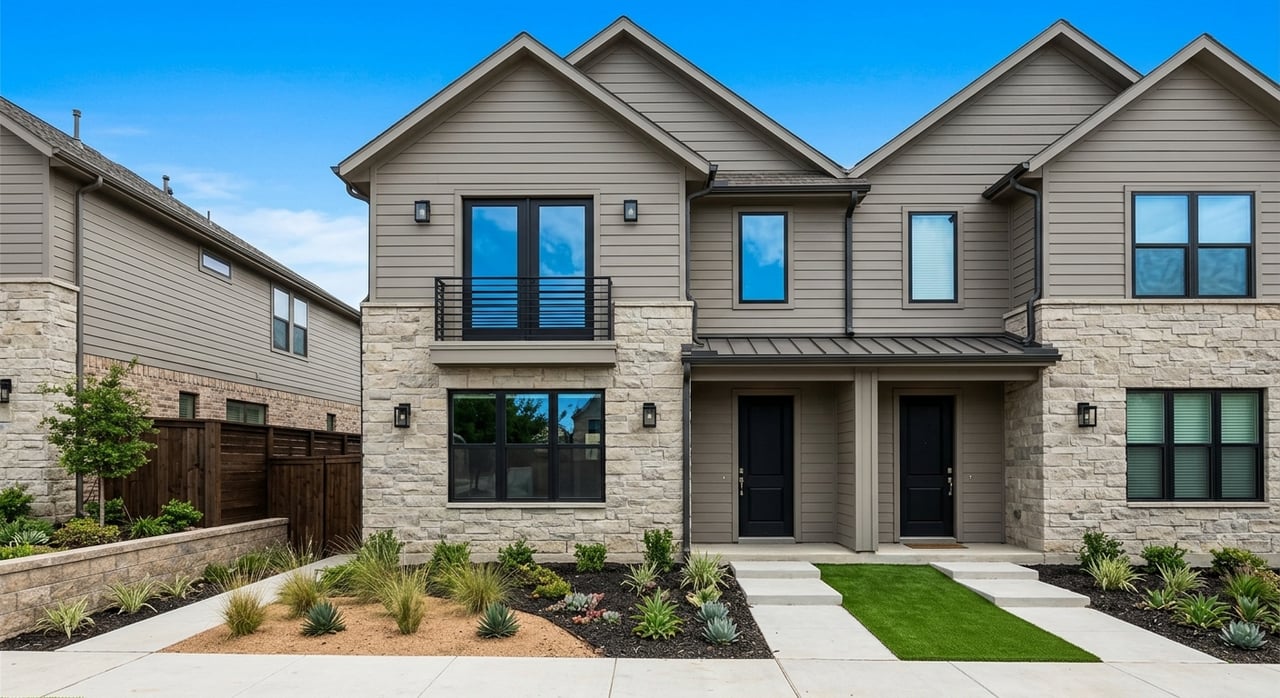
Townhome developments can offer a different price point and lifestyle than detached homes. Meridian Park in Orchard Mesa includes 31 townhomes across 7 buildings, with 3-bedroom and 4-bedroom plans.
The HOA dues there are listed at $100 per month and include fiber internet, snow removal, trash service, maintenance of green spaces and a retention pond, and a reserve fund intended to help avoid special assessments. This is a good reminder to compare what is actually bundled into monthly dues when you review attached-home options.
Age-Restricted Communities
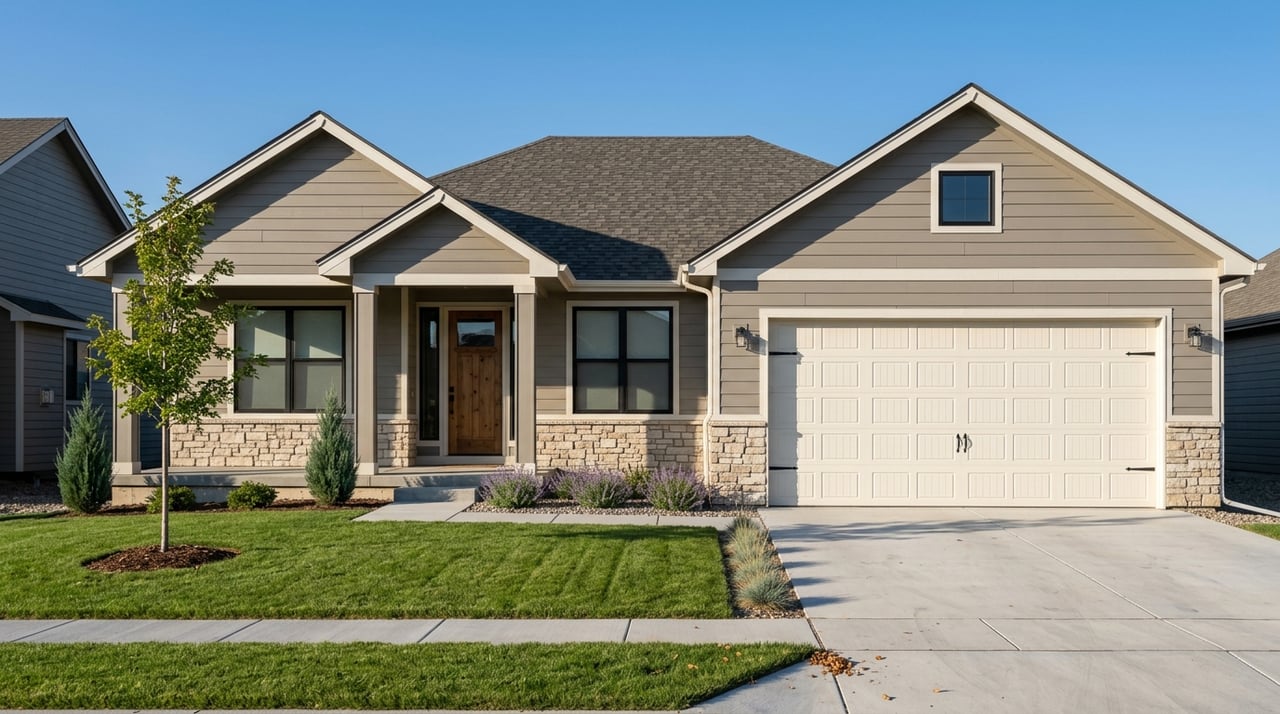
Chipeta Hollows is a local 55-plus community with ranch-style, low-maintenance homes and amenities, along with ENERGY STAR and DOE Zero Energy Ready positioning.
If you are comparing age-restricted communities, be sure to ask how the community is structured, what amenities are included, and what ongoing costs come with ownership.
Build-to-Suit Neighborhoods
Some subdivisions focus more on lot reservations and personalized building opportunities. Vista Mesa in Clifton, between Grand Junction and Palisade, offers five floor plans and lot sizes of about 6,000 to 7,969 square feet.
Integrity says a $5,000 deposit reserves a lot for 30 days and is refundable. That is a useful example of why deposit terms should always be confirmed in writing.
Lot Choice Matters More Than Many Buyers Expect
In new construction, the lot is part of the purchase strategy. Grand Junction-area communities show that lot inventory can be limited and highly specific to each subdivision.
Shadow Mesa is marketed with quaint-size lots. Vista Mesa lists lots in the roughly 6,000 to 7,969 square foot range. Clear Creek Meadows says it has 20-plus lots and four floor plans, while Night Hawk in Orchard Mesa is actively taking lot reservations.
When you compare lots, look beyond square footage. Think about where the lot sits in the community, how future phases may develop around it, and whether the lot shape works with the floor plan you want.
What Is Included vs. What Costs Extra
This is one of the most important parts of buying a new construction home. Builders often advertise a finished home price, but the standard features and upgrade options can vary quite a bit.
Integrity says anything outside its Gold Inclusions package is considered an upgrade. New Beginnings lists optional items such as extra outlets, additional tile, fencing, landscaping, fireplaces, and appliance upgrades.
Before you move forward, ask for these items in writing:
- A full standard-feature list
- An allowance schedule
- A list of common upgrades
- The builder’s change-order policy
- Estimated pricing for your must-have selections
These details can help you compare homes more accurately and avoid budget surprises later.
Inspections, Permits, and Code Compliance
A brand-new home still goes through a process before closing. Mesa County says its building department uses current adopted codes and inspections for Grand Junction projects, and the county updated its adopted code set in 2025 to include the 2024 building and residential code editions and related standards.
For buyers, that means permit review, inspections, and code compliance are still part of the path to completion. New construction is not a shortcut around due diligence.
HOA and Community Due Diligence
If the home is in an HOA, take extra time to review the documents carefully. The Colorado Department of Regulatory Agencies advises buyers to review the declaration and CC&Rs, check common elements, assessments, restrictions, the plat map, and ask about reserve funds, special assessments, litigation, lender questionnaire issues, and whether the HOA is properly registered in Colorado.
This is especially important in townhome and low-maintenance communities. What looks simple on the surface can involve rules, bundled services, and monthly costs that affect your long-term budget.
Utility and Service Questions to Ask
Utilities can vary by subdivision. For example, Meridian Park lists Ute Water, city sewer, and Xcel electric and gas, while Shadow Mesa lists city sewer service.
Ask exactly which utilities serve the property, which services are covered by dues if there is an HOA, and what you will pay separately each month.
Warranties and Repair Process
Builder warranties are common, but the written terms can differ. Integrity says its homes include a builder’s warranty, and BOA provides a warranty-request process for completed homes.
The safest move is to ask for the full written warranty packet before you sign. Review what is covered, what is excluded, how long coverage lasts, how repair requests are submitted, and how quickly issues are typically handled after closing.
Special Note on Townhomes and Condos
Colorado’s 2025 construction-defect law, HB25-1272, is especially relevant to condos and townhomes. The Colorado Division of Real Estate says participating builders may offer a warranty and neutral third-party inspection in exchange for added protection from construction-defect claims, and the law also changes the owner-approval threshold for HOA construction-defect claims.
If you are buying attached housing, ask whether the project is using that option and what warranty rights are being offered. That question can help you better understand both the protections and the project structure.
Smart Questions to Ask Before You Sign
When you are comparing new construction homes in Grand Junction, these are often the questions that matter most:
- What is included in the base price?
- What counts as an upgrade?
- Is the deposit refundable, and under what conditions?
- What is the estimated completion window?
- Is there an HOA, and what do the dues cover?
- Which utilities serve the home?
- What does the builder warranty cover?
- How are post-closing repairs handled?
- What future phases are planned nearby?
Clear answers here can save you stress later.
Is New Construction Right for You?
New construction in Grand Junction can be a great fit if you value modern features, energy-focused building, lower-maintenance living, or the chance to personalize finishes. It can be especially appealing if you want a home in a growing community with newer infrastructure.
It may be less appealing if you need a firm closing date, want to avoid HOA costs or restrictions, or do not want to make repeated design and upgrade decisions. The right answer depends on your timeline, budget, and comfort with the process.
If you want help comparing communities, sorting through builder options, or deciding whether new construction or resale is the better move for your situation, the Steve G Team can walk you through it with clear guidance and local perspective.
FAQs
What are the main types of new construction homes in Grand Junction?
- Buyers usually see quick move-in homes, under-construction homes, and design-build or build-to-suit options.
How long does a new construction home take in Grand Junction?
- Timelines vary by builder and construction stage, but local examples range from about 30 days for some quick move-in homes to about five to six months after permits for some build jobs, depending on weather.
What should you ask about upgrades in a Grand Junction new build?
- Ask for the builder’s standard-feature list, allowance schedule, common upgrade list, and written change-order policy so you know what is included and what costs extra.
What should you review in a Grand Junction HOA community?
- Review the declaration, CC&Rs, plat map, assessments, restrictions, reserve funds, and any questions about special assessments or bundled services before moving forward.
Do Grand Junction new construction homes still need inspections?
- Yes. New homes still go through permits, inspections, and code compliance, and buyers should still complete normal closing due diligence.
Why do Grand Junction subdivisions release lots in phases?
- Many developments move in stages because plats, infrastructure, road work, utilities, and homebuilding often advance together rather than all at once.