Dreaming about a mountain place you can enjoy on long weekends, holiday breaks, and sunny summer escapes? Glenwood Springs makes that idea easy to picture, but buying a second home here comes with more than mountain views and hot springs appeal. If you are thinking about vacation living in Glenwood Springs, this guide will help you understand the market, the costs, the local rules, and the questions to answer before you buy. Let’s dive in.
Why Glenwood Springs Attracts Second-Home Buyers
Glenwood Springs offers something many second-home buyers want: year-round usability. The area is known for hot springs, hiking, biking, rafting, and skiing, which gives you reasons to enjoy the home across multiple seasons instead of just a few peak weeks each year.
The setting also supports comfortable part-time living. Glenwood Springs sits at 5,761 feet and is known for low humidity, warm sunny summers, mild winters, and average snowfall of about 67 inches. For you as an owner, that matters because weather affects everything from travel plans to seasonal maintenance.
Another big advantage is location. Glenwood Springs is about 160 miles west of Denver on I-70, and it is also a regional center for retail, education, healthcare, and professional services. That mix can make second-home ownership feel more practical because you are not relying only on a resort-style visitor economy.
What Seasonal Use Looks Like
If your goal is to actually use your second home often, Glenwood Springs has a strong case. Rafting season usually runs from mid- to late April through mid-September, while ski season typically starts around Thanksgiving and is fully operational by early December.
Spring, summer, and winter are all active visitor seasons in Glenwood Springs. That means your home may offer plenty of usable weekends outside the core winter holiday stretch, whether you want outdoor recreation, a relaxing getaway, or a base for visiting Western Colorado.
Access And Travel Considerations
Easy access matters when you are not living in the home full time. Many buyers like Glenwood Springs because it is within driving distance of Denver, Grand Junction, and Aspen, which can make quick weekend trips more realistic.
That said, you should also plan for occasional travel issues. The Glenwood Canyon stretch of I-70 is open year-round, but it can close due to weather or other unforeseen circumstances. If you picture frequent winter use, it is smart to factor flexibility into your travel plans.
Local transportation can also help. Glenwood Springs has free year-round local bus service, along with connections to RFTA, Greyhound, and Amtrak. If you do not want to drive every trip, that can make part-time ownership more convenient.
Glenwood Springs Property Types And Prices
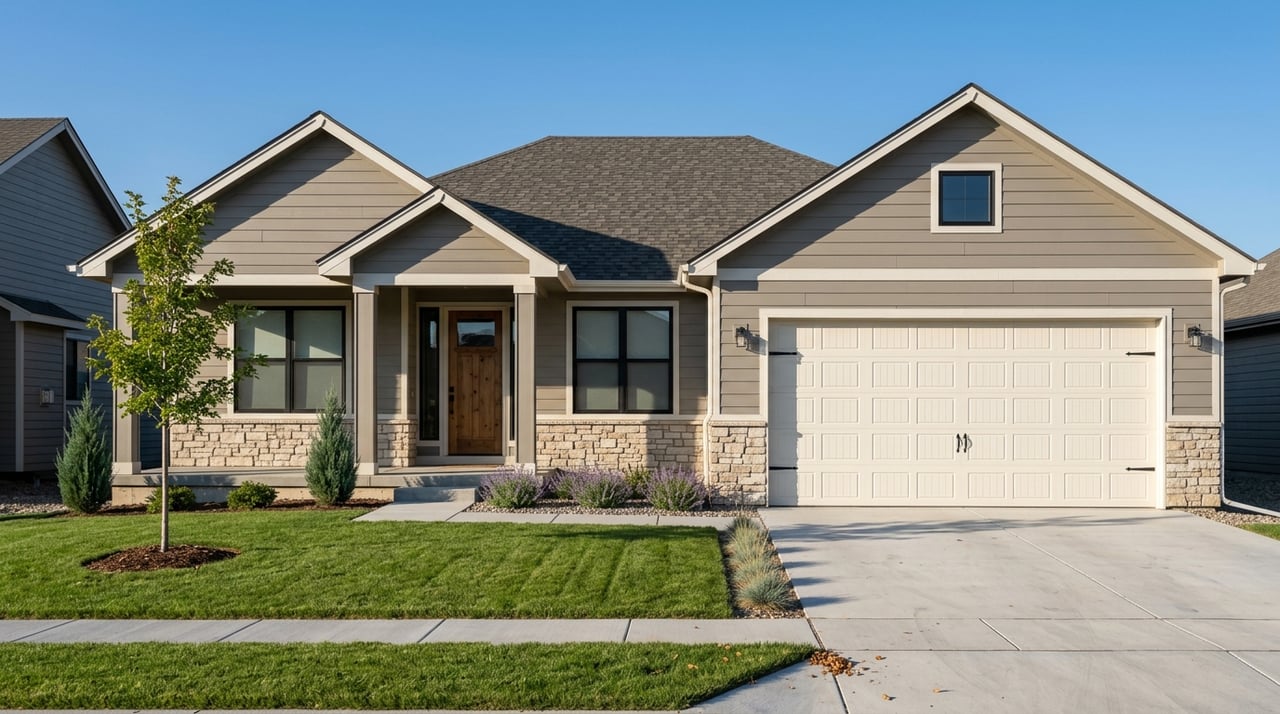
Second-home buyers in Glenwood Springs will usually focus on two main property categories: single-family homes and townhouse-condo properties. In the March 2026 market update, the year-to-date median sales price was $991,500 for single-family homes and $582,000 for townhouse-condo properties.
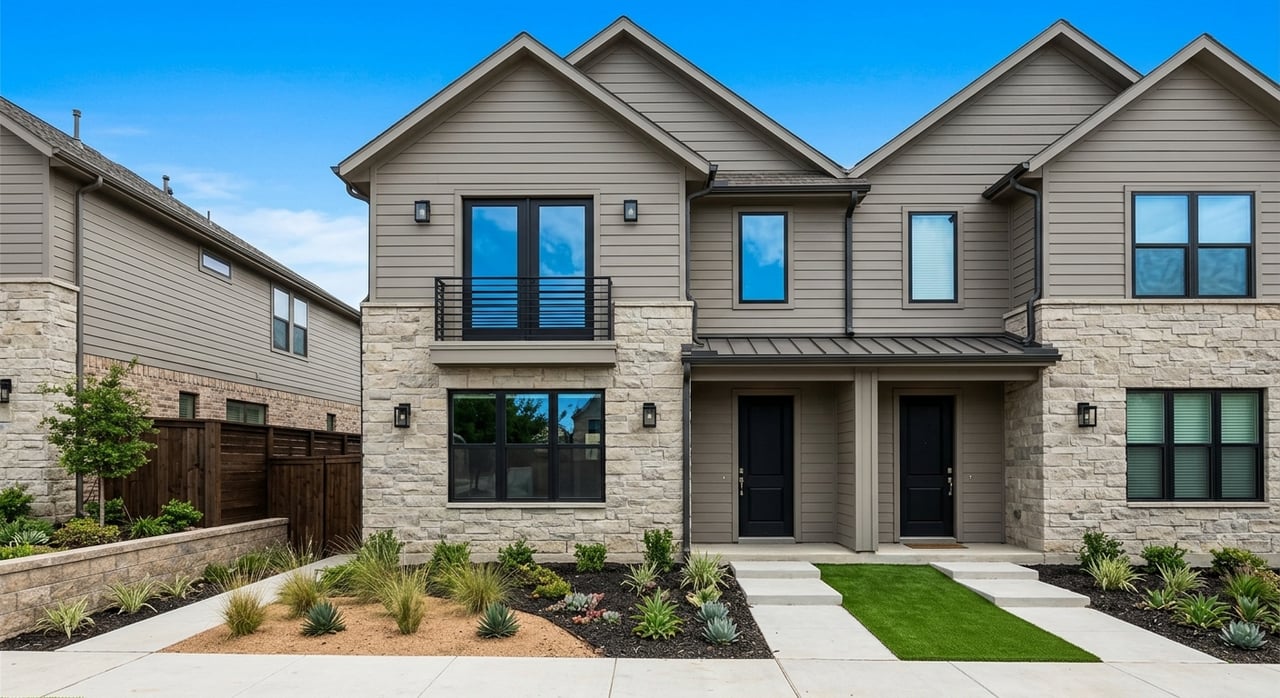
That price gap matters. If you want a lower entry point into the market, an attached home may be more realistic than a detached house. It may also appeal to buyers who want a simpler lock-and-leave lifestyle between visits.
Days on market also differed by property type in that same update. Single-family homes showed 149 days on market, while townhouse-condo properties showed 94. That does not tell the whole story for any individual listing, but it does give you useful context as you compare options.
Choosing The Right Vacation Home Setup
The right property depends on how you plan to use it. If you want space, privacy, and a more traditional second-home feel, a single-family home may fit best. If you care more about convenience, lower price, and easier part-time ownership, a townhouse or condo may deserve a closer look.
You should also think beyond the floor plan. HOA rules, deed restrictions, and vacation rental limits can all affect whether a property truly fits your goals. A home that looks perfect on paper may not work if the rules limit how you want to use it.
Budgeting Beyond The Purchase Price
A second home budget should include more than your mortgage and down payment. In Glenwood Springs, property taxes can vary meaningfully by parcel because Colorado property taxes are based on actual value, assessment rate, and local mill levies.
Garfield County also notes that residential property uses separate assessment rates for school and local-government calculations. That is one reason it is important to ask for a tax estimate on the exact property you are considering rather than relying on a general rule of thumb.
You should also be careful about assuming a vacation property will receive the same tax treatment as a primary home. Colorado’s senior property tax exemption is tied to occupancy as a primary residence, and a person can claim no more than one primary residence for that program.
If You Plan To Rent The Home
Some buyers want a second home for personal use only. Others want the option to offset costs with short-term rentals. In Glenwood Springs, that decision changes the math and the due diligence.
If the property will be rented short-term, lodging taxes are a major consideration. The City of Glenwood Springs states that the 2026 total lodging tax rate is 14.35 percent, including the city accommodations tax plus state, county, and RTA taxes.
The city also states that all overnight lodging businesses need individual sales tax licenses for each property where lodging occurs. On top of that, the city directs lodging businesses to use MUNIRevs for tax filing. If rental income is part of your plan, those details should be part of your budget from day one.
Short-Term Rental Rules In Glenwood Springs
Glenwood Springs requires a short-term rental permit for any home rented for fewer than 30 consecutive days. The city also requires a business and sales tax license before renting begins.
As of 2026, the current permit period runs from January 1, 2025 through December 31, 2027. Permits are issued to the owner of the property, which makes ownership structure and timing worth discussing before you close.
Not every property can qualify. The city uses a 250-foot buffer between short-term rentals, so a home may be ineligible even if zoning would otherwise allow it. The city also states that short-term rentals are not allowed in ADUs.
Private restrictions matter too. The city does not enforce private covenants, so HOA or deed restrictions may still control whether your vacation-rental plan is realistic. That is why rule review should happen early, not after you are under contract or close to closing.
Permit Costs And Operating Requirements
Permit costs should be part of your upfront planning. During the current permit cycle, a new short-term rental permit costs $613.62 and a renewal costs $409.08.
There is also another option called an accessory tourist rental. For that category, the current fees are $368.17 for a new permit and $184.09 for a renewal.
The application process includes more than paying a fee. The city’s guide says an inspection is part of the process, some remodeling may require a building permit, and the owner must keep a local responsible party who can respond within 30 minutes.
For a second-home owner, that last point is especially important. If you live outside Glenwood Springs most of the time, local support is not just helpful. It is part of staying compliant.
Accessory Tourist Rentals Explained
If you are not looking to rent out an entire home, Glenwood Springs offers another path. The city allows accessory tourist rentals, which let an owner-occupied or resident-manager-occupied home rent a single bedroom for stays under 30 consecutive days.
For some buyers, that may be a practical middle ground. It can offer occasional hosting flexibility without turning the full property into a short-term rental operation. Still, you would need to confirm permit eligibility and review any private restrictions that apply to the property.
City Limits Vs. County Rules
One common mistake is assuming every property follows the same rules. If a home is outside Glenwood Springs city limits, Garfield County’s separate short-term home rental rules may apply instead of the city’s ordinance.
That means jurisdiction matters. Before you write an offer, confirm whether the property is inside city limits, check the relevant rental rules, and make sure you understand which permit and tax requirements apply.
Questions To Ask Before You Make An Offer
Before buying a second home in Glenwood Springs, try to answer a few key questions clearly:
- Can this property be used the way you want? Review city rules, HOA rules, deed restrictions, and permit map limitations.
- Do you want personal use only, or occasional rental income too? That decision affects taxes, licensing, insurance, and the best property type.
- How important is easy winter access? Snow, elevation, and occasional I-70 disruptions should be part of your planning.
- What local support will you need? A part-time owner may need help coordinating inspections, permits, and on-the-ground logistics.
These questions can save you time, stress, and expensive surprises. They also help you compare homes more accurately, since the best second home is not always the one with the best photos or the biggest deck.
Why Local Guidance Matters
Second-home purchases often look simple from the outside, but the details matter. In Glenwood Springs, you may be balancing market pricing, seasonal use, local permits, lodging taxes, HOA restrictions, and travel logistics all at once.
That is where clear, local guidance can make a big difference. You want someone who will help you slow down, ask the right questions, and do the homework before you commit. A thoughtful plan can help you buy a home that truly fits your goals, whether you want a private mountain escape, a flexible getaway property, or a part-time home with rental potential.
If you are exploring second-home or vacation living in Glenwood Springs, the Steve G Team is here to help you sort through the options, understand the local details, and move forward with confidence.
FAQs
What makes Glenwood Springs appealing for a second home?
- Glenwood Springs offers year-round recreation, low humidity, warm sunny summers, mild winters, and access to services like healthcare, retail, and transportation, which can make part-time living more practical.
What are typical second-home price points in Glenwood Springs?
- In the March 2026 market update, the year-to-date median sales price was $991,500 for single-family homes and $582,000 for townhouse-condo properties.
Can you use a Glenwood Springs second home as a short-term rental?
- Possibly, but the property must meet city rules, including permit requirements, the 250-foot buffer between short-term rentals, and any applicable HOA or deed restrictions.
What taxes apply to short-term rentals in Glenwood Springs?
- The City of Glenwood Springs states that the 2026 total lodging tax rate is 14.35 percent, and overnight lodging businesses also need individual sales tax licenses for each property.
What is an accessory tourist rental in Glenwood Springs?
- It is a city-allowed setup where an owner-occupied or resident-manager-occupied home can rent a single bedroom for stays under 30 consecutive days, subject to permit eligibility and private restrictions.
Why should Glenwood Springs buyers verify whether a home is inside city limits?
- Properties outside city limits may follow Garfield County short-term home rental rules instead of Glenwood Springs city rules, so jurisdiction can change the requirements you need to follow.